
ADHD and Airway and Oral Development: What Most Parents Aren’t Told
ADHD and Airway and Oral Development: What Most Parents Aren’t Told
Introduction: Could ADHD Be Something Else?
If your child has been labeled with ADHD, you’re not alone.
Maybe you’ve noticed the signs:
Trouble focusing. Constant movement. Big emotions. Difficulty sitting still.
And maybe someone has already suggested medication, behavioral therapy, or accommodations at school.
But what if there’s another piece of the puzzle no one has talked about?
What if some ADHD symptoms are actually connected to airway and oral development?
This isn’t about dismissing diagnoses. It’s about expanding the conversation.
Because how your child breathes, sleeps, and develops orally can directly impact how they behave, focus, and feel during the day.
I’m an airway and oral development practitioner, and I help parents connect the dots between their child’s sleep, behavior, and overall health—so they can finally understand the why behind the symptoms.
What ADHD Really Looks Like in Kids
ADHD is typically described as:
Inattention
Hyperactivity
Impulsivity
Emotional dysregulation
Difficulty with executive function
But here’s what often gets missed:
Sleep-deprived kids can look exactly like kids with ADHD.
When a child isn’t getting deep, restorative sleep, their brain struggles to regulate attention, emotions, and behavior.
So the question becomes:
👉 Why isn’t the brain resting properly?
The Missing Link: Airway and Oral Development
Let’s talk about something most parents are never told:
Airway and oral development play a major role in sleep quality.
When the airway is restricted — due to things like:
Narrow palate
Mouth breathing
Tongue tie
Enlarged tonsils or adenoids
…the body has to work harder to breathe, especially during sleep.
And when breathing is disrupted at night?
Sleep quality suffers.
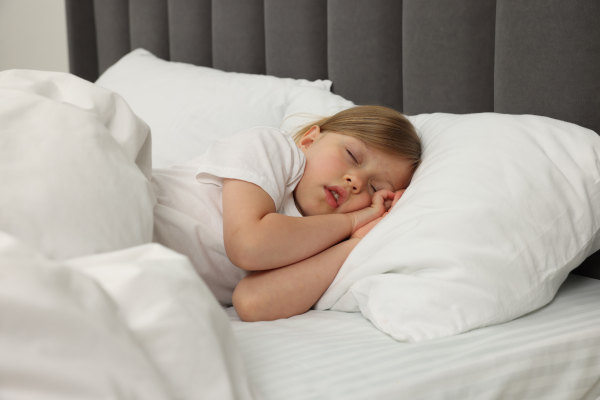
How Poor Airway Function Affects the Brain
During deep sleep, the brain resets. It organizes information, regulates emotions, and restores energy.
But if a child is:
Mouth breathing
Snoring
Tossing and turning
Grinding their teeth
…the brain never fully drops into that deep, restorative state.
Instead, it stays in a lighter, more alert mode.
Over time, this can lead to:
Poor focus
Increased impulsivity
Emotional reactivity
“Tired but wired” behavior
Which often gets labeled as ADHD.
Why Airway and Oral Development Matters Early
A child’s oral development — how their jaw, palate, and tongue form — directly impacts their airway.
Here’s how it connects:
A narrow palate reduces nasal space
Less nasal space = harder to breathe through the nose
Mouth breathing becomes the default
The tongue sits low instead of supporting proper growth
The airway remains small
This cycle affects both structure and function.
And it often starts very early in childhood.
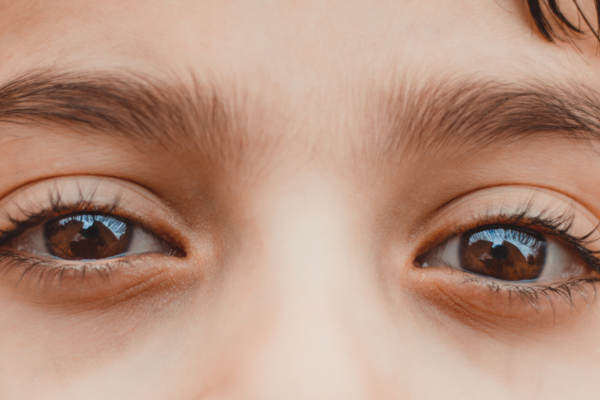
Common Signs Often Overlooked
If your child has been diagnosed with ADHD, it’s worth looking for these additional signs:
Mouth breathing (day or night)
Snoring or noisy breathing
Restless sleep
Dark circles under the eyes
Teeth grinding
Picky eating or chewing difficulty
Crowded teeth
These are not random.
They can all point back to airway and oral development challenges.
Why This Gets Missed So Often
Most providers are trained to look at symptoms in isolation.
A pediatrician looks at behavior.
A dentist looks at teeth.
A therapist looks at emotions.
But very few are trained to connect:
👉 Breathing + Sleep + Development + Behavior
That’s why many families end up with:
Multiple diagnoses
Multiple appointments
Multiple treatment plans
But no clear root cause.
This Doesn’t Mean ADHD Isn’t Real
Let’s be clear:
This is not about saying ADHD doesn’t exist.
It’s about asking a deeper question:
👉 Could airway and oral development be contributing to these symptoms?
Because if sleep quality is compromised, the brain cannot function optimally.
And no amount of behavioral support can replace restorative sleep.

What Parents Can Do Next
If you’re reading this and thinking, “This sounds like my child…” — you’re not alone.
Here’s where to start:
1. Observe Sleep
Watch how your child sleeps.
Is their mouth open?
Do they snore?
Do they move a lot?
2. Look at Oral Development
Notice:
Is their palate narrow?
Are their teeth crowded?
Does their tongue rest low?
3. Ask Better Questions
Instead of only asking:
“Why is my child struggling to focus?”
Also ask:
👉 “How are they breathing at night?”
Through a whole-child, root-cause approach, I guide families in identifying airway dysfunction early, supporting proper oral development, and creating lasting changes in how their children breathe, sleep, and thrive.
Helpful Resources
For deeper reading, you can explore:
The Big Picture: One Cause, Many Symptoms
Here’s what many parents eventually realize:
It’s not:
Behavior OR sleep
Teeth OR breathing
Development OR focus
It’s all connected.
Airway and oral development sit underneath many of these symptoms.
And when that foundation is supported?
Everything downstream can improve.
Key Takeaways
ADHD symptoms can overlap with sleep deprivation
Poor airway and oral development can disrupt sleep
Mouth breathing and narrow jaws reduce airflow
Sleep quality directly affects behavior and focus
Many symptoms are connected, not separate
Final Thoughts
If you’ve been feeling like something is missing…
If your child has multiple symptoms that don’t quite make sense together…
If you’ve tried different approaches but still feel stuck…
You’re allowed to look deeper.
You’re allowed to ask different questions.
And you’re allowed to trust your intuition.
Let’s Connect the Dots
If you want help understanding what’s really going on with your child:
👉 Get a FREE Kid Clarity Call today
👉 Visit: nicholeapperson.com
📧 Email: [email protected]
Or start with the Airway Checklist to see if your child’s “unrelated” symptoms may actually be connected.
🔗 Follow me and keep learning with us:
Facebook™ page: Naturopath Nichole
Instagram page: Nichole Apperson
Dr. Nichole Apperson, ND Traditional Naturopathic Practitioner | Airway & Oral Development Specialist
Helping children breathe freely, function optimally, and thrive fully.

